
How Climate Change and Severe Weather Are Reshaping Your Auto Insurance
Think about the last major storm in your area. Maybe it was a hurricane, a wildfire, or a flash flood that turned streets into rivers. Now, imagine your car caught in the middle of it. That scenario, unfortunately, is becoming less of a rare “act of God” and more of a regular seasonal event. And it’s fundamentally changing the rules of the road for auto insurance—from what you pay to what your policy covers, and even how claims get handled.
Here’s the deal: the auto insurance industry was built on decades of historical data. Actuaries used the past to predict the future. But climate change has thrown a wrench into those models. The past is no longer a reliable guide. We’re seeing more frequent, more severe, and frankly, more expensive weather events. And that cost is rippling right into your premium notice.
The Rising Tide of Claims (Literally)
Let’s dive into the numbers, because they tell a stark story. It’s not just about a few more fender benders in the rain. We’re talking about catastrophic losses.
| Weather Event | Impact on Auto Claims | The New Normal? |
| Wildfires | Total loss of vehicles from fire and falling debris; smoke damage to paint/ interiors. | Longer, more intense fire seasons in traditionally “safe” areas. |
| Flooding & Hurricanes | Water damage totaling modern electronics-laden vehicles; surge damage; hail. | Heavier rainfall rates, stronger storms, and flooding far inland. |
| Hailstorms | Extensive body damage, shattered windshields, dented roofs requiring costly repairs. | Larger hailstones becoming more common, causing unprecedented damage. |
| High Winds & Tornadoes | Vehicles crushed by falling trees or transformed into projectiles. | Shifts in tornado alley and more powerful derecho events. |
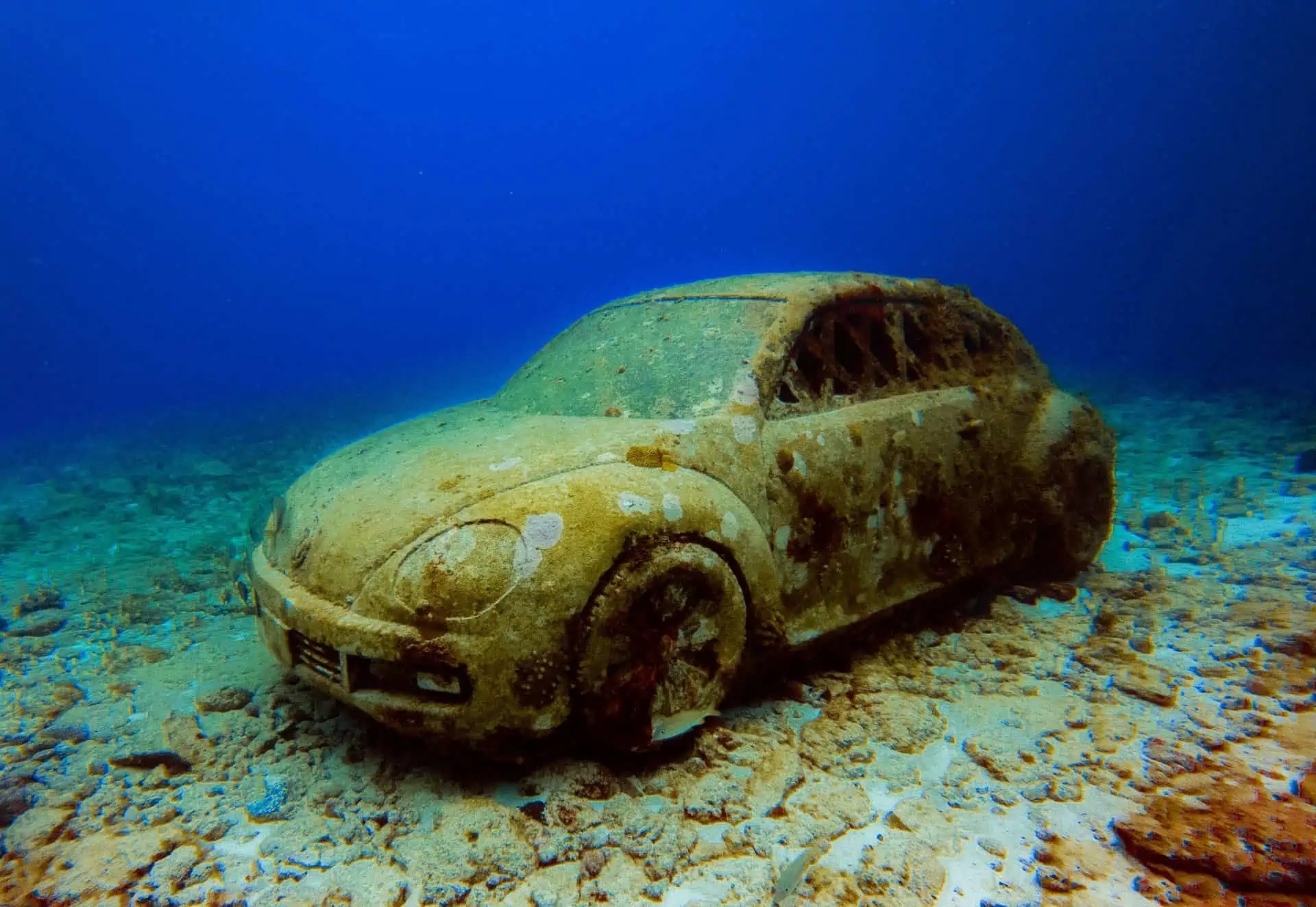
Honestly, a car submerged in saltwater is often a complete write-off. The complex computer systems—the ones that control everything from your brakes to your infotainment—are fried. It’s a total loss. And when thousands of cars in a zip code meet that fate at once, well, the financial shockwave is immense.
How Your Policy and Premiums Are Changing
So, how does this translate to your wallet? In a few key, and sometimes painful, ways.
1. The Comprehensive Coverage Lifeline
This is the big one. Comprehensive coverage is what protects you against weather-related damage. If you only have liability, you’re on the hook if a tree falls on your car or a flood sweeps it away. As these events skyrocket, the importance of carrying robust comprehensive coverage has never been higher. But, sure enough, the cost of that coverage is climbing too.
2. Geographic Roulette: The New High-Risk Zones
Insurers are relentlessly redrawing their risk maps. That coastal community, suburban wildfire corridor, or even a city neighborhood prone to urban flooding might find itself in a new category. You could see:
- Sharp premium increases in high-exposure areas.
- Higher deductibles specifically for wind or hail (e.g., a $1,000 standard deductible but a $2,500 hail deductible).
- In the most extreme cases, non-renewals or a complete withdrawal of insurers from certain markets. It’s already happening in Florida, California, and Louisiana.
3. The Claims Process Under Pressure
Imagine a major hurricane makes landfall. Tens of thousands of claims flood in simultaneously. The system gets overwhelmed. This can lead to:
- Longer wait times for adjusters to assess damage.
- Shortages of rental cars and repair shop capacity, stretching out your claim timeline.
- A greater reliance on AI and drone technology for initial assessments to triage claims faster.
What You Can Do: Navigating the New Landscape
This isn’t about fear. It’s about adaptation. Here are concrete steps to make sure you’re protected.
- Review Your Coverage Annually. Don’t auto-renew without checking. Is your comprehensive deductible still manageable? Is your coverage limit high enough to replace your car at today’s inflated prices?
- Understand Your Policy’s Fine Print. Look for those peril-specific deductibles. Know exactly what is and isn’t covered. For instance, “flood” might be defined differently than “water damage.”
- Document Everything. If a storm is coming, take timestamped photos and videos of your car’s pre-storm condition. After damage, document it thoroughly before moving the vehicle. This is your best evidence.
- Consider Tech Add-Ons. Some insurers offer discounts for using telematics or apps that can provide severe weather alerts or help you move your car to safety. It’s worth asking about.
- Have a Preparedness Plan. Know where you’d move your car to higher ground if flooding is forecast. Have your insurer’s claims number and your policy details saved digitally (not just in your glovebox, which might be underwater).
The Road Ahead: A System in Flux
The entire concept of insurance is pooled risk. But when the pool is getting hit from all sides, the model strains. We’re likely to see more involvement from state-backed insurance pools of last resort, more sophisticated climate modeling used in pricing, and continued debates about who should bear the cost of hardening our infrastructure and communities.
In the end, your car is more than just a vehicle; it’s a vital asset and your key to mobility. Protecting it now requires looking forward to the forecast, not just back at the rearview mirror. The climate has changed. And, like it or not, your insurance has to change with it.

