
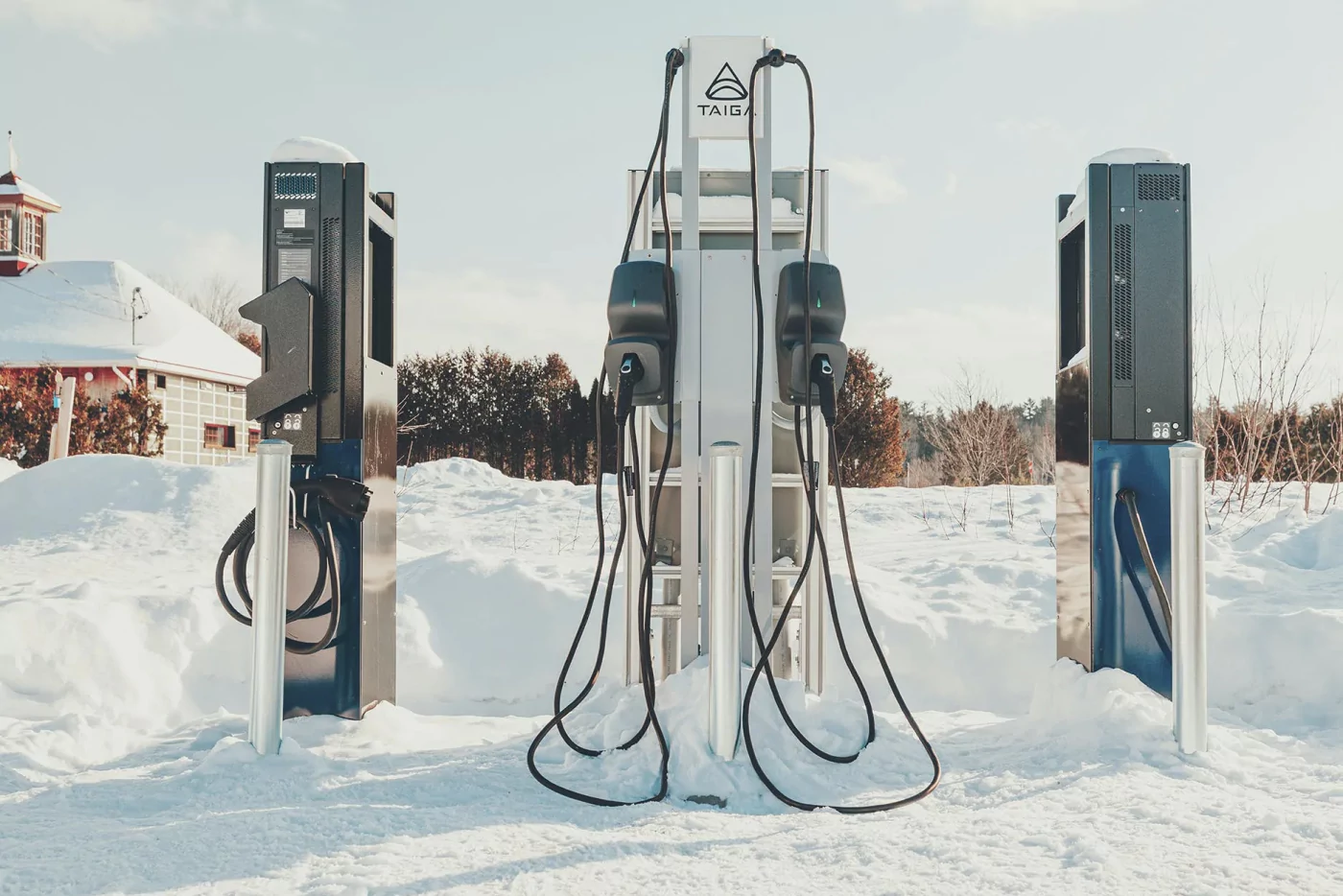
Preparing Your Electric Vehicle for Seasonal Weather Extremes
Let’s be honest: your EV is a bit of a Goldilocks. It loves that sweet spot of 70-degree, sunny weather. But throw in a blistering heatwave or a deep freeze, and suddenly you’re thinking about range, battery health, and even tire pressure in a whole new way.
That said, with a little know-how, you can absolutely prepare your electric vehicle for seasonal weather extremes. It’s not about coddling the car—it’s about working with its nature to ensure safety, efficiency, and peace of mind all year round. Here’s the deal.
The Cold Truth: Winterizing Your EV
Winter is the season that makes most EV owners gulp. You know the feeling. You wake up, see your range estimate has dropped significantly, and feel a pang of… well, range anxiety. But this is largely manageable. It’s all about physics. Cold temperatures slow down chemical reactions inside the battery and increase the density of the air your car has to push through.
Pre-Trip & Charging Strategies for Cold
First, use your vehicle’s scheduled departure and preconditioning features. This is a game-changer. By telling your car when you want to leave, it will warm the battery and cabin while still plugged in. You’re using grid power for that heavy lifting, not your battery’s precious stored energy.
And about charging: keep it plugged in when you can in extreme cold. The car’s thermal management system will pull power from the wall to keep the battery in a happy temperature range, preventing damage. Aim to keep your state of charge between 20% and 80% for daily use, but if a polar vortex is coming, letting it sit closer to 50-70% is a good buffer.
Tires & Driving Adjustments
This one’s critical. All-season tires often just don’t cut it in serious snow and ice. Investing in a set of winter tires is the single best thing you can do for safety and traction—EV or not. The instant torque of an electric motor makes proper tires even more vital.
Check your tire pressure more often. For every 10°F drop in temperature, tires lose about 1 PSI. Under-inflated tires increase rolling resistance, which, you guessed it, kills your range.
Bracing for the Blaze: Summer Heat Prep
If cold saps range, extreme heat can stress the battery’s long-term health. High temperatures accelerate the degradation of lithium-ion cells. So summer prep is less about immediate range (though AC use affects it) and more about longevity.
Parking and Charging in the Heat
Seek shade. It sounds simple, but parking in a garage or under a canopy is your first line of defense. If you must use a public charger on a scorching day, try to avoid charging to 100% immediately after a long, hot drive. Let the car cool down first if possible.
Again, preconditioning is your friend. Cool the cabin while plugged in before you unplug. And, honestly, using a sunshade for your windshield makes a bigger difference than you’d think—it keeps the interior from becoming a greenhouse, so the AC doesn’t have to work as hard initially.
Fluid Check & Cabin Filter
While EVs don’t have engine oil, many have coolant for the battery thermal management system. Have this checked according to your maintenance schedule. Also, replace your cabin air filter before peak allergy and heat season. A clogged filter makes the HVAC system work harder, drawing more power.
The All-Season Essentials (Rain, Wind, and Everything In-Between)
It’s not just temperature. Heavy rain, strong winds, and even humidity play a role. Here’s a quick table of those often-overlooked factors:
| Weather Factor | Impact on Your EV | Proactive Tip |
| Heavy Rain & Flooding | Risk of wheel spin (traction), potential for driving through deep water (don’t!). | Ensure windshield wipers are fresh, tread depth is good. Never attempt to ford deep water—battery packs are sealed but not submarine-rated. |
| Strong Winds | Significantly increased aerodynamic drag, which tanks efficiency. | Reduce speed. Seriously, just going 5-10 mph slower on a windy highway can save a surprising amount of range. |
| High Humidity | Increased use of defogger and AC to dehumidify the cabin. | Use the “recirculate” air mode once the cabin is cool/dry to reduce the load on the system. |
Your Go-To Seasonal Checklist
Okay, let’s boil this down. Before each extreme season, run through this list. It’s a good habit to get into.
For Winter:
- Test and set up scheduled departure/preconditioning.
- Install winter tires (November to March, generally).
- Check tire pressure weekly; inflate to cold PSI spec.
- Pack an emergency kit: blanket, flashlight, extra gloves, a portable battery pack.
- Keep your charge cable clean and dry—brush off snow and ice before plugging in.
For Summer:
- Replace cabin air filter.
- Verify coolant level (if user-serviceable, or have a pro check).
- Invest in a high-quality sunshade.
- Plan charging for cooler parts of the day when possible.
- Inspect windshield wipers; summer storms come out of nowhere.
Look, the core idea here is anticipation. Your EV is a brilliant piece of technology, but it’s still a machine interacting with the raw elements. By understanding its sensitivities—the battery’s dislike of extreme temps, the tires’ need for proper air and tread, the HVAC’s power appetite—you shift from being a passive driver to an informed partner.
You start to see weather forecasts not as a threat, but as a simple input for your planning. And that, honestly, is where the real freedom of electric driving kicks in. It’s not just about going gas-free; it’s about moving through the world with a deeper, quieter kind of control.

